-
Vibrant Health Academy | Module 1
-
- Quiz
-
- Quiz
-
- Quiz
-
- Quiz
-
- Quiz
-
- Quiz
-
- Quiz
-
- Quiz
-
- Quiz
-
- Quiz
-
- Quiz
-
- Quiz
-
- Quiz
-
- Quiz
-
- Quiz
-
- Quiz
-
- Quiz
-
- Quiz
-
- Quiz
-
- Quiz
-
- Quiz
-
- Quiz
-
- Quiz
-
- Quiz
-
- Quiz
-
- Quiz
-
- Quiz
-
- Quiz
-
- Quiz
Day 17: Lower Back Mobility: Vibration and the Lumbar Spine
Article Title: Lower Back Mobility: Vibration and the Lumbar Spine
Topic: The Mechanics of Vibration (Part 17 of 180)
In the study of human osteology and biomechanics, the lumbar spine—consisting of the five largest vertebrae (L1 through L5)—is often identified as the most heavily taxed region of the skeletal system. Situated between the thoracic cage and the pelvis, the lumbar spine serves as the primary structural bridge that supports the weight of the entire upper body while facilitating a wide range of motion, including bending, twisting, and lifting. For the aging adult, maintaining the integrity and mobility of this region is paramount, as the lower back is frequently the first area to exhibit the effects of cumulative mechanical stress and sedentary behavior.
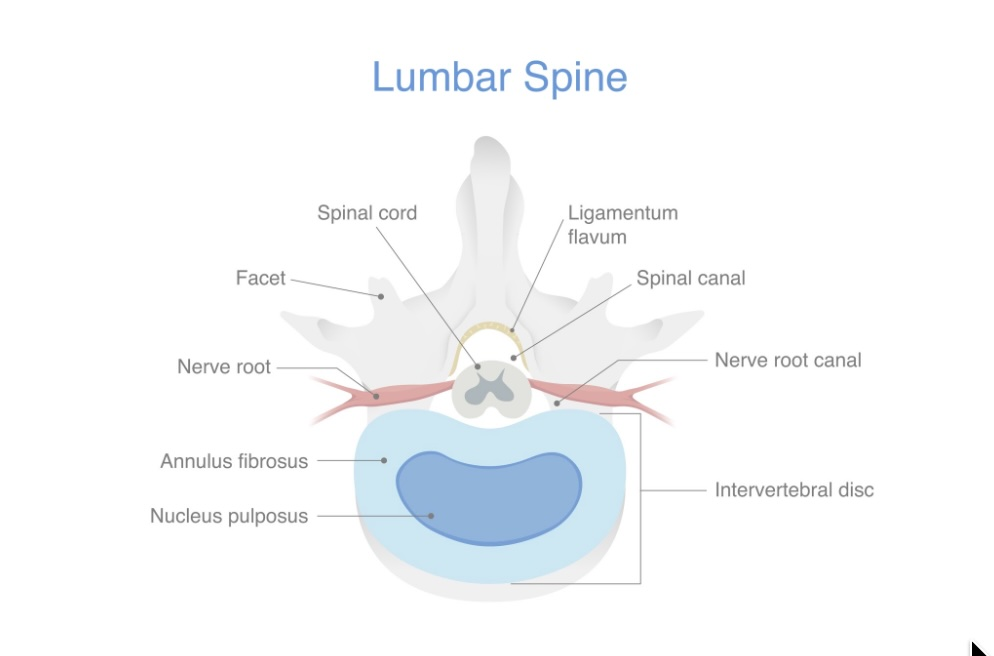
To understand how Whole-Body Vibration (WBV) impacts the lower back, one must first examine the intervertebral discs. These are fibrocartilaginous cushions located between each vertebra that act as shock absorbers. Unlike muscle or skin, these discs are largely avascular, meaning they do not possess a direct blood supply to deliver oxygen and nutrients. Instead, they rely on a physiological process called imbibition. This is essentially a "pumping" mechanism where movement and pressure changes cause the discs to expel metabolic waste and "soak up" fresh, nutrient-rich fluid from the surrounding tissues.
As we reach our 70s and 80s, the efficiency of imbibition naturally decreases. Reduced daily movement leads to disc desiccation (drying out), which results in a loss of disc height and increased stiffness. This is why many seniors feel "shorter" or more rigid in the morning. When the discs are thin and dry, the surrounding nerves can become compressed, and the joints of the spine (facet joints) may begin to grind, leading to chronic discomfort.
Whole-Body Vibration introduces a clinical intervention known as high-frequency loading. When you stand on a vibration plate with "soft" (slightly bent) knees, the mechanical waves travel up through the legs and into the pelvis and lumbar spine. The rapid vertical displacement creates thousands of microscopic pressure changes within the intervertebral discs every minute. This acts as a mechanical "pump," artificially stimulating the process of imbibition. This agitation helps to rehydrate the discs, ensuring they remain plump, resilient, and capable of maintaining proper spacing between the vertebrae.
Beyond the discs, vibration therapy targets the deep stabilizing musculature of the spine, specifically the multifidus. The multifidus is a series of small, powerful muscles that attach directly to the vertebrae. Their primary role is to provide "segmental stability," ensuring that each bone in your spine stays in its proper alignment during movement. In many cases of chronic back stiffness, these deep stabilizers have become "dormant" or weak, forcing the larger, superficial back muscles to overwork. This leads to the tight, "locked-up" feeling many people experience.
Because the vibration plate triggers the Tonic Vibration Reflex, it forces these deep, hard-to-reach muscles to contract and relax at a rate that is nearly impossible to achieve through standard physical therapy exercises. This rapid-fire activation "wakes up" the multifidus, providing a more stable "internal corset" for the lower back.
Finally, Whole-Body Vibration assists in lower back comfort through the Gate Control Theory of Pain. The nerves that carry the sensation of vibration are thicker and faster than the nerves that carry the sensation of dull, chronic pain. By "flooding" the nervous system with harmless, rhythmic vibration signals, the brain essentially "closes the gate" on the slower pain signals coming from the lower back. This provides a window of relief that allows the user to move more freely and confidently.
For the senior user, a 10-minute daily protocol focusing on the lumbar spine is not about "fixing" a back problem in a single day. Rather, it is about the cumulative effect of rehydrating the discs, strengthening the deep stabilizers, and modulating the pain response. Over the course of 180 days, this consistent mechanical stimulation helps to restore the "suppleness" of the spine, allowing for a higher quality of life and greater ease in performing daily tasks like reaching for shoes or gardening.
There are no comments for now.