-
Vibrant Health Academy | Module 1
-
- Quiz
-
- Quiz
-
- Quiz
-
- Quiz
-
- Quiz
-
- Quiz
-
- Quiz
-
- Quiz
-
- Quiz
-
- Quiz
-
- Quiz
-
- Quiz
-
- Quiz
-
- Quiz
-
- Quiz
-
- Quiz
-
- Quiz
-
- Quiz
-
- Quiz
-
- Quiz
-
- Quiz
-
- Quiz
-
- Quiz
-
- Quiz
-
- Quiz
-
- Quiz
-
- Quiz
-
- Quiz
-
- Quiz
Day 18: Pelvic Floor Strength: Targeted Stability through Seated Vibration
Article Title: Pelvic Floor Strength: Targeted Stability through Seated Vibration
Topic: The Mechanics of Vibration (Part 18 of 180)
While much of the discussion surrounding core strength focuses on the abdominal muscles and the lower back, a critical and often overlooked component of the human "powerhouse" is the pelvic floor. Clinically referred to as the pelvic diaphragm, this is a complex sling of muscles and connective tissues that spans the area between the pubic bone at the front and the tailbone (coccyx) at the back. It serves as the "basement" of the core, providing essential support for the pelvic organs, including the bladder and bowel, while playing a sophisticated role in spinal stability and pressure regulation.
As we progress through our 70s and 80s, the pelvic floor is subject to the same age-related muscle wasting—sarcopenia—that affects the biceps or quadriceps. However, because these muscles are internal and hidden from view, their decline is often only noticed when functional issues arise. Weakness in this region can lead to reduced bladder control, pelvic organ prolapse, and a significant decrease in "force transfer." If the basement of your core is weak, the rest of your posture struggles to find a stable foundation.
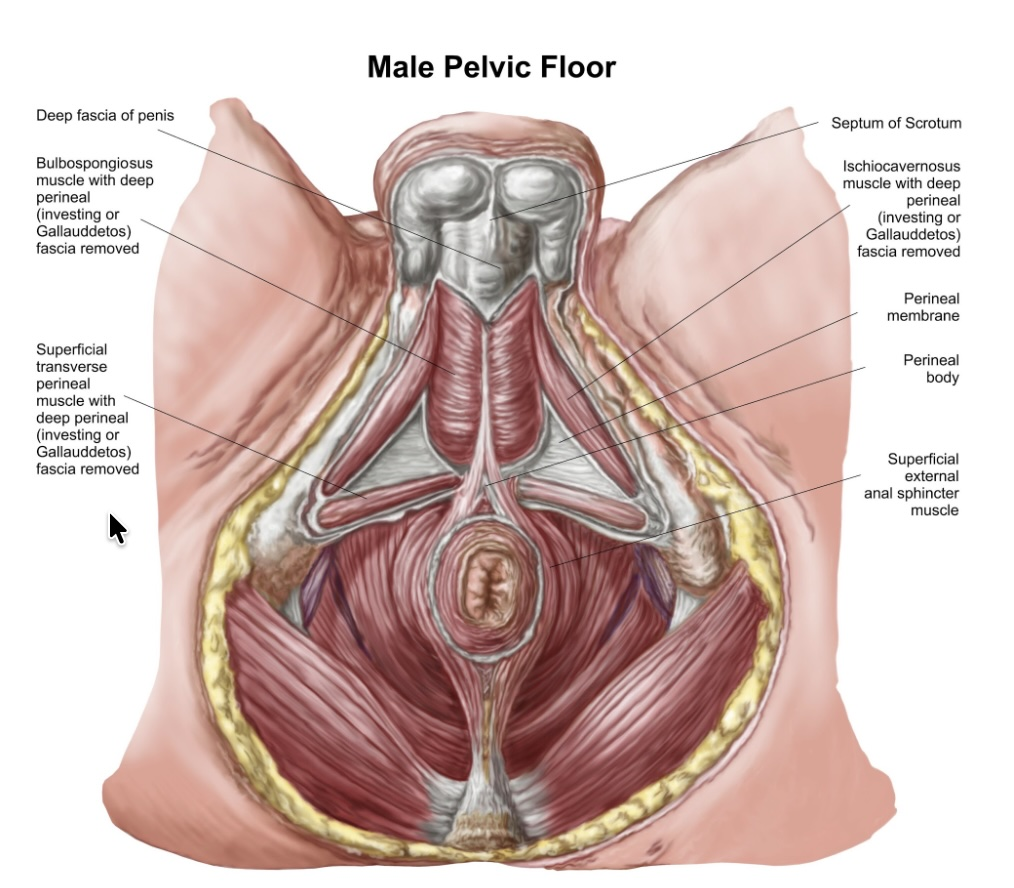
For many seniors, performing traditional pelvic floor exercises, such as "Kegels," can be difficult. This is often due to a lack of proprioceptive awareness; it is hard for the brain to consciously contract a muscle it cannot see or easily feel. Furthermore, voluntary contractions often fail to recruit the deep, fast-twitch fibers necessary for reflexive stability. Whole-Body Vibration (WBV) offers a specialized clinical alternative through the seated protocol.
By sitting directly on the vibration plate—either on a small stool placed on the platform or sitting directly on the plate with the knees bent and feet flat on the floor—the user achieves a direct mechanical interface with the pelvic diaphragm. In this position, the vibration waves travel directly through the ischial tuberosities, commonly known as the "sit bones." This proximity allows the mechanical energy to bypass the dampening effect of the ankles and knees, delivering the stimulus precisely where it is needed most.
The mechanism at work here is, once again, the Tonic Vibration Reflex (TVR). As the plate oscillates, the pelvic floor muscles experience rapid, microscopic stretches. The sensory receptors within these deep muscles immediately signal the spinal cord to initiate an involuntary contraction to stabilize the pelvic basin. Because the plate may be set at a frequency of 20 to 30 Hz, the pelvic floor is being "tricked" into contracting and relaxing up to 30 times per second. This provides a level of intensive conditioning that is nearly impossible to achieve through conscious effort alone.
Furthermore, seated vibration assists in the vascularization of the pelvic region. The high-frequency oscillation encourages increased blood flow to the deep tissues of the pelvis. Improved circulation is essential for the health of the mucous membranes and the connective tissues (fascia) that provide structural "hangers" for the internal organs. For the senior user, this means not only stronger muscles but more resilient and hydrated support tissues.
The benefits of a strong pelvic floor extend upward into the lumbar-pelvic-hip complex. When the pelvic floor is active and toned, it works in synergy with the diaphragm (for breathing) and the multifidus (for spinal alignment) to create a stable "pressurized cylinder" in the abdomen. This internal stability protects the lower back from strain during simple movements like standing up from a chair or lifting a grocery bag.
For the purposes of our 180-day partnership, the seated protocol should be viewed as a foundational "stability anchor." By spending a portion of your 10-minute daily session in a seated position, you are addressing the very base of your structural integrity. Over time, this consistent mechanical stimulation helps to restore the tone of the pelvic diaphragm, supporting both your internal organs and your outward posture, and providing a renewed sense of "bottom-up" confidence in your daily movements.
There are no comments for now.